| astronautix.com | Williams Dave |
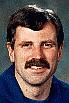
His clinical research in Emergency Medicine has included studies evaluating the initial training and skill retention of cardiopulmonary resuscitation skills, patient survival from out-of-hospital cardiac arrest, the early identification of trauma patients at high risk and the efficacy of tetanus immunization in the elderly.
In 1988, he became an Emergency Physician with the Department of Emergency Services at Sunnybrook Health Science Centre as well as a Lecturer with the Department of Surgery, University of Toronto. He served as a member of the Air Ambulance Utilization Committee with the Ministry of Health in Ontario, both as an academic Emergency Physician and later as a representative of community Emergency Physicians. In addition, he has trained basic ambulance attendants, paramedics, nurses, residents and practicing physicians in cardiac and trauma resuscitation as a Course Director in Advanced Cardiac Life Support with the Canadian Heart and Stroke Foundation and in Advanced Trauma Life Support with the American College of Surgeons.
From 1989 to 1990, he served as an Emergency Physician with the Emergency Associates of Kitchener Waterloo and as Medical Director of the Westmount Urgent Care Clinic. In 1990, he returned to Sunnybrook as Medical Director of the ACLS Program and Coordinator of Postgraduate Training in Emergency Medicine. Subsequently, he became the Acting Director of the Department of Emergency Services at Sunnybrook Health Science Centre, Assistant Professor of Surgery, University of Toronto and Assistant Professor of Medicine, University of Toronto.
Dr. Williams was selected by the Canadian Space Agency in June 1992. He completed basic training and in May 1993 was appointed Manager of the Missions and Space Medicine Group within the Astronaut Program. His collateral duty assignments have included supervising the implementation of Operational Space Medicine activities within the Astronaut Program, and the coordination of the Canadian Astronaut Program Space Unit Life Simulation (CAPSULS) Project. In February 1994 he participated in a 7-day space mission simulation. During this CAPSULS Project, he was the principal investigator of a study to evaluate the initial training and retention of resuscitation skills by non-medical astronauts. He was also assigned as one of the crew members and acted as the crew medical officer.
He remains active in life science and space medicine research, both as a Principal Investigator and as a Co-investigator. He has recently been appointed as an Assistant Professor of Surgery, McGill University, and is participating in clinical activities at St. Mary's Hospital and at the Montreal General Hospital.
Columbia rolled out to pad 39B on March 23. Payloads:
The Neurolab mission was managed by NASA-Johnson at Houston, unlike earlier Spacelab flights which were NASA-Marshall/Huntsville's responsibility. Landed at Kennedy Space Center May 3 1998.